chapter
Transnational anti-gender mobilizations
How can we build a transnational feminist resistance against exclusionary politics? What are the opportunities to create coalitions across contexts?
Anti-gender politics manifest around the globe, and while they share many narratives, there are also significant differences between contexts. As activists resist these narratives in varied settings, transnational coalitions and internationalism must consider local particularities in tandem with the affinities between far-right groups transnationally.
Photos: © Michelle Geerardyn
Illustrations: © Valentine Zhang (https://www.instagram.com/valentinezhang/)
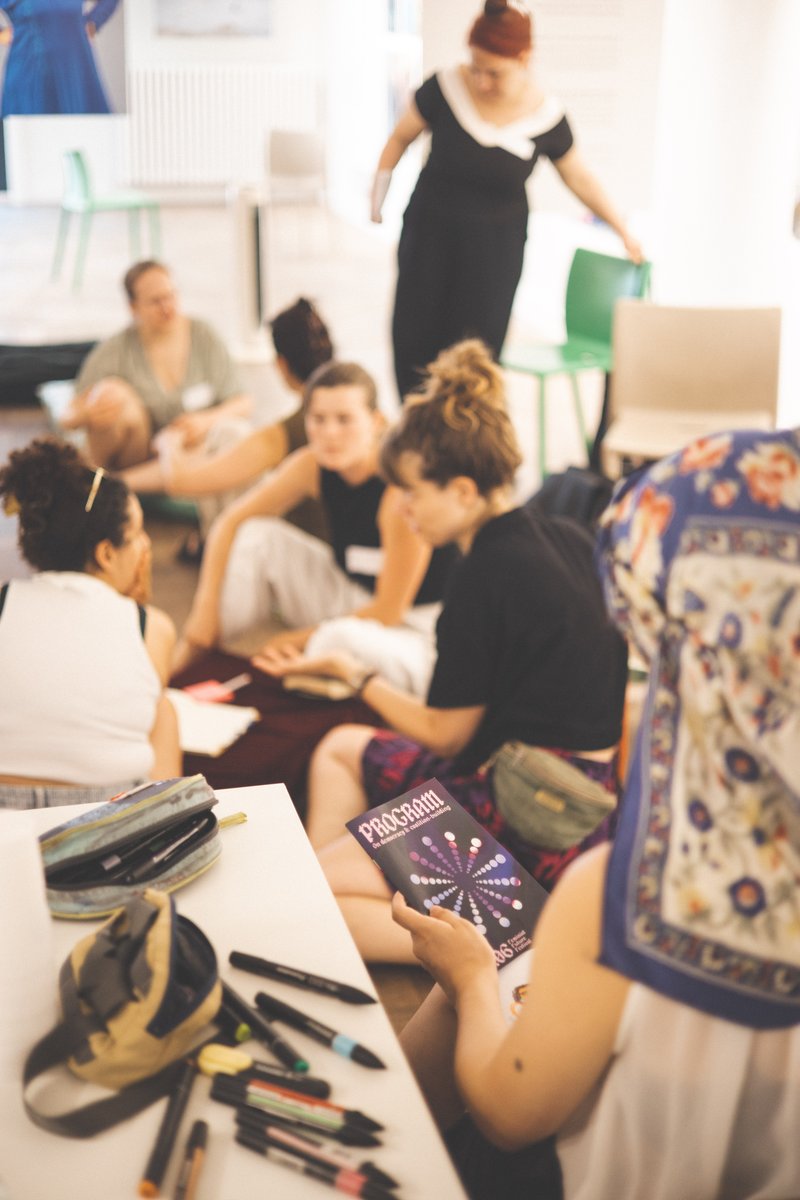
1ST SESSION
12 PARTICIPANTS
CORDINATORS
Emmanuella-KINDO PROJECT
Anastasia- KINDO TEAM- ITALY
A sheet available for noting our 2 keywords
-
How do we react
-
Ideas from members
Institutional work- Getting out of institutional contexts gives more opportunity
Being socially accepted
Anti gender mobilisatons are transnational and worldwide
Activists research in specific context;
WORK/FINDINGS FROM KINDO TEAM ON FEMINIST MOVEMENT STRATEGIES FOR MOBILISATION
RESULTS:
-
Spoke to policy makers-parliament
-
One key strategy is the use of knowledge
-
Doing studies on Antigender
-
Coalition building at the parliament
-
Strategies on how to interact and when not to
-
Elaboration of rules
-
Informed practices to protect feminists
-
Strategies that confront the anti-gender movement
-
Digital activism
-
Legal and institutional form
-
Watchdog-monitoring
-
Strategic communication
-
Strategic non-engagement
-
Institutional field using care as a strategy
WHICH STRATEGIES WORK BEST- What are the opportunities to create coalitions across contexts?
Participants were asked to brainstorm on sticky notes and post it on the board - to come up with some keywords afterward
KEY ANSWERS FROM PARTICIPANTS WERE :
Knowledge
Transnational meetings and network
Findings
Lobbying and campaign
Being part of policymakers
Learning
Changing the narrative
Creating spaces for discussion
We discussed the ideas brought on board, starting with our experiences
Participants feedback:
-
Activists are struggling because of threats
-
Update the guidelines on the use of abortion pills in Italy- there is a stereotype that they are poisonous
-
Movements tried to fight back on the fear that gripped people, doubting for their lives after taking the pills.
-
Powerful advocate teams for antiabortion groups
-
Breaking some boundaries
-
Finding an entry point with those in the community
-
Creating maps for safe place abortion and contraceptives in Italy and creating underground support for feminists
-
Medical biases by the hospitals
-
Doing a lot of campaigns in the feminist groups locally and internationally
-
Transnational abortion networks strategy should be emulated by other organizations
-
Croatia is similar to Italy, catholic nation more resistant to abortion
-
People are coming up to share their experiences with poor doctors
-
Will be good to have a platform to share the history of feminist movements, tools like the map etc
-
We don’t have money but power to share knowledge
-
Meetings are very relevant
-
Crea- India: they gather global feminists to share ideas
-
European level- institutional funding
-
Need for funding
SHARE TWO KEYWORDS
-
Feminist Networks
-
Knowledge
OTHER IDEAS
AUTONOMY
The session ended with coordinators thanking members for joining, and having a casual interaction with them as they exit the room. It was very lively and interactive.
2ND SESSION
9 PARTICIPANTS
How can we build a transnational feminist resistance against exclusionary politics?
Femininists responses - Speak to the parliaments,
Response
-
Inviting feminist experts in public hearings
-
Coalition building- BETWEEN PARLIAMENT AND CIVIL SOCIETIES
-
Update of guideline
-
Speak to policy makers-parliament
One key strategy is the use of knowledge
-
Doing studies on Antigender
-
Coalition building at the parliament
-
Strategies on how to interact and when not to
-
Elaboration of rules
-
Informed practices to protect feminists
-
Strategies that confront the anti-gender movement
-
Digital activism
-
Legal and institutional form
-
Strategic communication: storytelling, ways to tell stories differently
-
Strategic non-engagement
-
Institutional field using care as a strategy
-
Engaging at the grassroots levels
-
Directly confront -Digital levels, public actions, counter processes
-
Low engagement strategies
-
Legal and institutional levels
-
Watchdog-monitoring and reports fr the public
-
Institutions- feminist societies- strategic withdrawal
-
Alliance coalition building
TASKS FOR PARTICIPANTS: TAKE A REFLECTION OF FEMINIST STRATEGIES THAT WORK BEST AND OPPORTUNITIES TO ENGAGE IN TRANSNATIONAL COALITIONS
They wrote all ideas on sticky notes and pasted them on the board for brainstorming
IDEAS THAT CAME UP
STRATEGIES
-
Sharing of knowledge (climate in the south and north, listening to bottom-up narratives)
-
Transnational meetings (UN activist)
-
Networks (Feminist internationalism, coalition transnational level)
-
Communication (media narratives)
-
Funding and non-material solidarities
-
Constellation strategy (state projects, student organizations)
-
Political strategies
Opportunities –> Social media
How can we build a transnational feminist resistance against exclusionary politics?
What are the most common strategies and what are missing:
-
Knowledge
-
Network building
-
Communication-media
Things missing
-
Where are the anti-gender mobilizations coming from
-
We don’t understand why groups like LGBTQs and feminists are afraid
We can change the approach to match forces
-
Ages need to be considered in our strategies
-
Religious groups and other groups are prohibited from engaging with such marginalized groups
The session ended with the coordinators thanking members for joining and having a casual interaction with them as they exited the room. It was very lively and interactive;